Shoutout
Free account auditBook a strategy session
↑ ↓ to moveEnter to open

Hills Family Dental Centre: new patients a month up 266% from its lowest month to its highest

Lowest month, December 2022tohighest month, July 2026

One chair was full and two sat empty at Hills Family Dental Centre, a dental practice in Kalamunda, WA. We rebuilt the website, gave every offer its own landing page, and worked on local search. New patients a month grew 266% from the lowest month on record, December 2022, to the highest, July 2026. The counts stay private, and the growth is not attributed to any single channel.

The problem. One chair full, two empty.

One chair was full and two sat empty. The old website sent its traffic to the home page, and few people found the practice through local search.
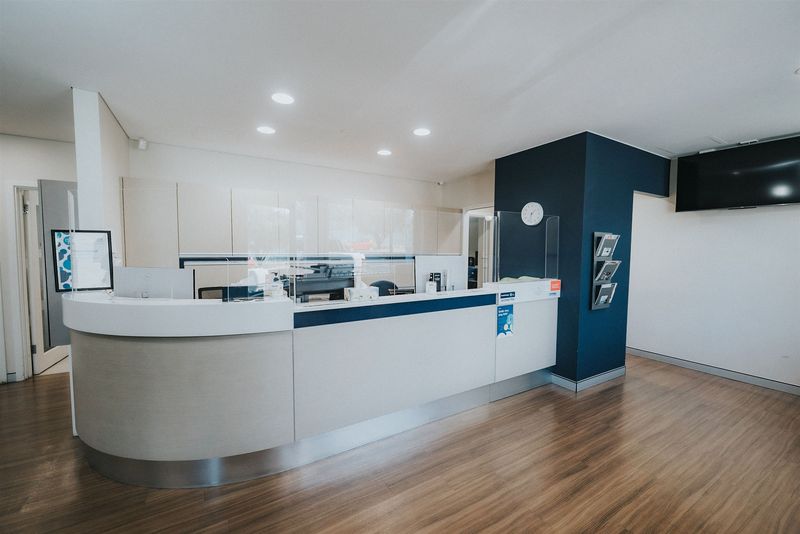
The reception desk and waiting area at Hills Family Dental Centre in Kalamunda
Hills Family Dental Centre, Kalamunda: the reception.

What one full chair and two empty ones means

A dental chair costs a practice whether or not anyone is sitting in it. The room, the equipment, the rent and the team’s hours are paid for every day the doors are open. With one chair full and two empty, the practice was paying for three chairs while only one was busy. An empty chair is hours in the appointment book with no one booked.

Empty chairs point to a marketing problem rather than a clinical one. People nearby who need a dentist are either not finding the practice, or finding it and not booking. The two findings below show where those people were being lost.

What traffic landing on the home page means

Someone who searches for a treatment, or clicks an ad for one, expects to land on a page about that treatment. A home page is written for everyone, so it answers no one’s question first. The visitor has to look through menus for what they came for, and a visitor who cannot find it quickly tends to go back to the search results, where another practice is one tap away.

It also costs money and information. A paid click that lands on the home page is paid for whether the visitor stays or not. And with every offer sharing one page, the practice cannot see which offers people were interested in.

What weak local search means

People tend to choose a dentist close to home, work or school, and many look for one by searching on their phone, for a “dentist near me” or a dentist in their suburb. Google answers those searches with a map and a short list of practices, drawn from each practice’s Google Business Profile. A practice that does not show there is invisible at the moment people are choosing, however good its care is. Few people finding the practice through local search meant that people nearby who were looking for a dentist were being shown other practices first.

Before the work
From the practice’s earlier case study
  • Full
  • Empty
  • Empty

The old website sent its traffic to the home page.

Local search: few people found the practice there.
How we addressed it. The right page for every offer.

Stop sending everyone to the home page, and get found locally. Each offer would get its own landing page instead of the home page. Alongside the pages, the practice needed work on local search.

BeforeThe old site sent traffic to the home page.
AfterEvery offer has its own landing page.

Alongside the pages: work on local search, where few people had been finding the practice.

Why each offer gets its own landing page

A landing page is a page built for one offer, such as one treatment, and for the people looking for it. It explains the offer in plain words, answers the usual questions and gives one clear next step: call the practice or book online. Someone who arrives from a search or an ad sees what they asked about straight away, so they have a reason to stay.

Separate pages also make the marketing easier to match and to measure. An ad for one treatment can send people to the page for that treatment, and the practice can see which offers people respond to and which pages turn visits into bookings. It is how we run Google Ads in general: each search gets an ad and a landing page that match it.

Why local search matters for a family practice in Kalamunda

A family practice serves the people around it: parents booking check-ups for their children, adults who want a dentist they can reach easily, and older patients who would rather not travel far. For a practice in Kalamunda, that means being found by people in and around Kalamunda at the moment they search.

Local search work is about showing up in those map results and nearby searches. It covers the practice’s Google Business Profile, with its services, opening hours, photos and the details people need to call or visit, and the signals on the website that tell Google where the practice is and what it offers.

The plan we implemented. Three pieces of work.

We rebuilt the website, gave every offer its own landing page, then worked on local search. The work ran alongside the services on the practice’s account, listed below.

  1. Step 1Rebuild the website

    We rebuilt the practice’s website. Every ad, search listing and map result sends people to the website, so it is the base the rest of the plan stands on. A rebuild is the chance to make the site clear about who the practice is, where it is and how to book, to make it work well on a phone, where many people search, and to give it room for a page for every offer.

  2. Step 2A landing page for every offer

    Each offer got its own landing page, and traffic stopped going to the home page. Ads and search listings for an offer point to that offer’s page, so someone who clicks sees what they asked about and one clear way to book. The pages also show which offers people respond to, which guides where the budget goes next.

  3. Step 3Local search

    We worked on how the practice shows up when people nearby search for a dentist. Our local search work covers the Google Business Profile, with the practice’s services, hours and photos kept complete and current, and a website that makes the practice’s location and services clear to Google. The aim is a place in the map results and nearby searches, where people choose a dentist close to home.

Alongside the steps, around the clock

Paid campaigns run the way all of ours do. We agree the monthly budget with the practice, and from then on our team and our agents run the campaigns around the clock. Our team plans the strategy and decides anything structural. Our agents run the budget, bids, keywords, ads and landing pages 24/7, never spend past the agreed budget, and log every change with its reason.

How our service runs
On every campaign we run
Agents on
Our team
  • Agrees the monthly budget with the practice
  • Plans the strategy and decides anything structural
  • Approves anything clinical before it goes live
Our agents, 24/7
  • Watch the campaigns and never stop watching
  • Reprice bids as the auction moves
  • Move budget between campaigns, toward whatever works, never past the agreed budget
  • Block junk search terms and pause a keyword the moment its cost per booking passes target
  • Make each change live and log it with its reason; only clinical wording waits for a person on our team
Our team plans the strategy. Our agents run it 24/7.

Services on the practice’s account

Search
Website
Social
  • Social media

How the services work together

Each service does a different job, and each one makes the others work better.

Google Ads puts the practice in front of people searching for a dentist or a treatment right now, and sends each search to the landing page that matches it.

Meta ads reach people nearby on Facebook and Instagram before they start searching, so the practice is a familiar name when they need a dentist.

SEO and the Google Business Profile earn the unpaid places in search results and on the map, which keep bringing people in without a cost per click.

The website, its content and its maintenance are where all of that traffic arrives. They keep the pages accurate, current and working.

Social media keeps the practice and its team in front of the people who already know them, between visits.

The results. Up 266%, lowest month to highest.

New patients a month grew 266% from the lowest month to the highest, and Google reviews went from 80 to over 300. The lowest month on record before the peak was December 2022 and the highest was July 2026. The counts behind the growth stay private, and the growth is not attributed to any single channel. The reviews figure is from the practice’s Google Business Profile, as published on our previous website.

Growth in new patients a month, lowest month to highest month+266%Dec 2022 → Jul 2026
Google reviewsfrom 80to over 300Google Business Profile · as published on our previous website
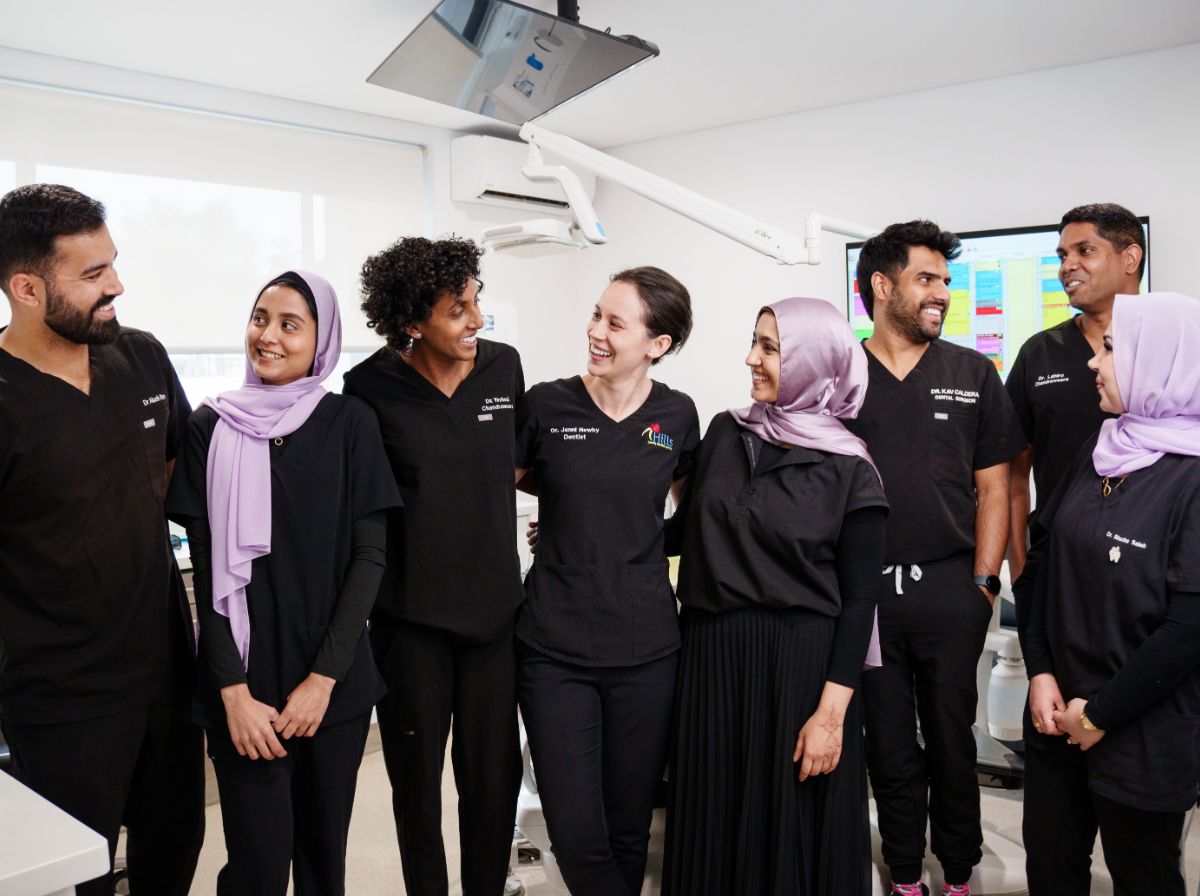
The Hills Family Dental Centre team together in a treatment room, smiling

What +266% means

In July 2026, its highest month on record, the practice saw a little over three and a half times as many new patients as in December 2022, the lowest month before it. For a practice that began with one chair full and two empty, new patients are what fill an appointment book: each one is a first visit, and many go on to come back for check-ups and treatment.

The figure compares two single months: the lowest on record and the highest after it. It is the widest rise in the record, not a typical month, and it is not a before-and-after from a start date. The chart below shows every month in between, including the months that fell.

What 80 to over 300 reviews means

The practice went from 80 Google reviews to over 300, more than three and a half times as many. For someone comparing dentists in the map results, that is a long record of other people’s experience to read before they choose, and it supports the practice’s place in local search. The figure is from the practice’s Google Business Profile, as published on our previous website. It is separate from the new-patient growth.

New patients each month, shape only+266% lowest month to highest month

Results vary. Not a guarantee, and not from one channel alone.

The practice’s counts stay private, so the chart has no scale. Every month from January 2022 to August 2026 is shown, including the months that fell: December was the lowest month of the year in 2022, 2023 and 2025, and June 2026 dipped before July. Unreported months are not counted as zero.

Marketing results only. Every figure is counted over the period stated, never a clinical outcome. See all case studies

Book a free strategy session

Your practice, your numbers. Start with a free strategy session.

Book a free strategy session. Or start with the free account audit: you share your Google Ads account number and accept our manager link request, our agents read up to 12 months of account history, and you get the findings in writing within 1 business day. You keep the audit either way.

A person replies within 1 business day.

  • Share account number, accept manager link
  • Up to 12 months of history read
  • Findings in writing within 1 business day